Hearing those most disagreeable words from Guha, Bharata began to think deeply, directing his mind on Rama, of whom those unpleasant words were heard.
भरत ने गुह के अप्रिय वचन सुनकर, जहाँ वे सुने थे, वहीं ध्यानमग्न हो गए।
That gentle, extremely courageous and the mighty armed young prince, whose shoulders resembled a lion's his large eyes opening like a flowering lotus and having pleasing appearance, momentarily sighed and in his extreme anguish, sank to the ground suddenly like an elephant that has been wounded in the heart with goads.
यहाँ संस्कृत श्लोक का सरल हिंदी अनुवाद दिया गया है: वह कोमल, शक्तिशाली, सिंह जैसे कंधों वाला, विशाल भुजाओं वाला, कमल के समान चौड़ी आँखों वाला, युवा और सुंदर था। क्षण भर विश्राम करने के बाद, वह अत्यंत दुखी होकर अचानक गिर पड़ा, जैसे अंकुश से घायल हाथी।
Seeing Bharata unconscious, Guha growing pale, shook like a tree during an earthquake.
भरत को मूर्छित देखकर गुह का मुख पीला पड़ गया और वह ऐसे व्याकुल हो गए जैसे भूकम्प आने पर वृक्ष कांपता है।
Shatrughna, who stood near, taking Bharata, who was in that unconscious state in his arms, becoming non-pulsed, cried loudly, overcome as he was with grief.
भरत उस अवस्था में थे, और शत्रुघ्न उनके पीछे खड़े थे। वे भरत को गले लगाकर, शोक से व्याकुल होकर, मूर्छित अवस्था में ऊँचे स्वर से रोने लगे।
Then, all the queens, emaciated through fasting, extremely miserable, being unable to find consolation for the sad end of their lord, rushed towards Bharata.
भरत की सभी माताएँ, जिन्होंने उपवास के कारण कृश और दीन होकर पतियों के कष्ट से दुर्बल हो गई थीं, वहाँ आ पहुँचीं।
All of them, sobbing, surrounded Bharata who fell on the ground. Kausalya on her part, torn with grief and bending over him, embraced him.
वे सब स्त्रियाँ रोती हुई उस गिरे हुए को भूमि पर घेर कर खड़ी हो गईं। कौशल्या ने भी उसका अनुसरण किया और दुखी होकर उसे गले लगा लिया।
That affectionate Kausalya, agitated as she was with grief and looking miserable, pressing him to her bosom as a cow its own calf, questioned Bharata (in the following words)
तपस्विनी वत्सला, जैसे अपनी संतान को गले लगाती है, वैसे ही वह भरत को गले लगाकर, आँसू बहाती हुई, शोक से व्याकुल होकर पूछने लगी।
Ayodhya Kanda – Sarga 87 · v8
पुत्र व्याधिर् न ते कच्चित् शरीरम् परिबाधते |
अद्य राज कुलस्य अस्य त्वद् अधीनम् हि जीवितम् || २-८७-९
"O, son! I hope that no ailment afflicts your body. Now, the life of this royal race is indeed dependent on you."
पुत्र, क्या कोई रोग तुम्हारे शरीर को कष्ट दे रहा है? आज इस राजकुल का जीवन तुम्हारे अधीन है।
Ayodhya Kanda – Sarga 87 · v9
त्वाम् दृष्ट्वा पुत्र जीवामि रामे सभ्रातृके गते |
वृत्ते दशरथे राज्नि नाथ एकः त्वम् अद्य नः || २-८७-१०
"O, son! Rama along with Lakshman has gone to the forest. The king Dasaratha is dead. I survive, looking on you. Now, you alone are the protector for us."
हे राम, आपको देखकर मैं जीवित हूँ। जब आप भाइयों सहित चले गए थे, तब दशरथ राजा के मरने पर आप ही हमारे एकमात्र नाथ (स्वामी) थे।
Ayodhya Kanda – Sarga 87 · v10
कच्चिन् न लक्ष्मणे पुत्र श्रुतम् ते किंचिद् अप्रियम् |
पुत्र वा ह्य् एकपुत्रायाः सह भार्ये वनम् गते || २-८७-११
"I hope you have not heard any unpleasant news about Lakshmana or about Rama my one and the only son who left for the forest along with his wife."
हे लक्ष्मण, क्या तुमने अपनी माता के बारे में कुछ अप्रिय सुना है? वह तो अकेली संतान वाली हैं और अब पत्नी के साथ वन को चली गई हैं।
Bharata of great renown, easing himself well within a moment, consoled Kausalya and while still weeping, spoke to Guha (as follows)
महा यशस्वी राम ने थोड़ी देर विश्राम करके, रोते हुए ही कौशल्या को सांत्वना दी और गुह से यह वचन कहा।
Ayodhya Kanda – Sarga 87 · v12
भ्राता मे क्व अवसद् रात्रिम् क्व सीता क्व च लक्ष्मणः |
अस्वपत् शयने कस्मिन् किम् भुक्त्वा गुह शंस मे || २-८७-१३
"O, guha! Tell me where did Rama my brother as also Seetha and Lakshmana halt in the night? On what couch and eating what, did he repose?
मेरा भाई रात में कहाँ ठहरा था, सीता कहाँ थीं और लक्ष्मण कहाँ थे? वह किस पलंग पर सोए थे और क्या खाकर सोए थे, गुह, मुझे बताओ।
Ayodhya Kanda – Sarga 87 · v13
सो अब्रवीद् भरतम् पृष्टो निषाद अधिपतिर् गुहः |
यद् विधम् प्रतिपेदे च रामे प्रिय हिते अतिथौ || २-८७-१४
Guha, the Lord of Nishadas, thrilling with rapture, spoke to Bharata about the manner in which he made arrangements for (feeding and reposing) his beloved and kind guest, Rama.
भरत के पूछने पर निषादों के राजा गुह ने उत्तर दिया। उन्होंने कहा कि राम के प्रिय और हितैषी अतिथि के प्रति क्या करना उचित है।
Ayodhya Kanda – Sarga 87 · v14
अन्नम् उच्च अवचम् भक्ष्याः फलानि विविधानि च |
रामाय अभ्यवहार अर्थम् बहु च उपहृतम् मया || २-८७-१५
"Various kinds of food and drink and different varieties of fruits were brought repeatedly by me to the presence of Rama for the purpose of his consumption."
यहाँ संस्कृत श्लोक का सरल हिंदी अनुवाद दिया गया है: मैंने राम के भोजन के लिए तरह-तरह के ऊँचे-नीचे अन्न और फल तथा बहुत सी अन्य वस्तुएँ भेंट की हैं।
Ayodhya Kanda – Sarga 87 · v15
तत् सर्वम् प्रत्यनुज्नासीद् रामः सत्य पराक्रमः |
न हि तत् प्रत्यगृह्णात् स क्षत्र धर्मम् अनुस्मरन् || २-८७-१६
Rama, the truly courageous man, refused all of them. Reminding himself of his warrior's statute, he could not accept it.
वह सत्य पराक्रमी राम उस सब का खंडन कर दिया। क्योंकि वह क्षत्रिय धर्म का स्मरण करते हुए उसे स्वीकार नहीं किया।
"O, Bharata! We were pacified by that high-souled Rama by saying thus: ' O, friend! We are not allowed to receive anything we must always be givers."
हे मित्र, हमें कभी भी कुछ स्वीकार नहीं करना चाहिए, बल्कि हमेशा देना चाहिए। इस प्रकार उस महात्मा ने हमें समझाया।
"Rama, of great glory, then along with Seetha drank the water brought by Lakshman as observed fasting."
लक्ष्मण द्वारा लाए गए जल को पीकर, महान यश वाले राम ने सीता के साथ उपवास किया।
Ayodhya Kanda – Sarga 87 · v18
ततः तु जल शेषेण लक्ष्मणो अप्य् अकरोत् तदा |
वाग् यताः ते त्रयः संध्याम् उपासत समाहिताः || २-८७-१९
"Thereafter Lakshmana also drank the left-over water and those three practised silence together in that evening-twilight.
तब शेष जल से लक्ष्मण ने भी वैसा ही किया। तब वे तीनों वाग्मी (वाणी में निपुण) एकाग्रचित्त होकर संध्या वंदन करने लगे।
"Lakshmana then personally brought a layer of Kusa grass and arranged a fittingly nice bed with it for Rama immediately."
लक्ष्मण ने तब शीघ्र ही श्री राम के लिए स्वयं सुंदर पंख लाकर एक सुंदर बिछौना तैयार किया।
"Rama, along with Seetha, settled down on that bed. After washing their feet, Lakshmana went away to a distance."
उस आसन पर राम सीता के साथ बैठ गए। लक्ष्मण ने उन दोनों के पैर धोकर वहाँ से प्रस्थान किया।
Ayodhya Kanda – Sarga 87 · v21
एतत् तद् इन्गुदी मूलम् इदम् एव च तत् तृणम् |
यस्मिन् रामः च सीता च रात्रिम् ताम् शयिताउ उभौ || २-८७-२२
"Here at this fort of Ingndi Tree, on just this grass, on which both Rama and Seetha slept that night."
यह इंगुदी वृक्ष की जड़ है और यही वह घास है जिस पर श्री राम और सीता ने वह रात विश्राम किया था।
"Lakshmana, the scourge of his foe, wearing a glove of goha skin, strapping two quivers full of arrows on either side of his back and wielding a great stringed bow, remained on his part walking round Rama during that night."
लक्ष्मण ने अपने पृष्ठ पर तरकश और उंगलियों में अंगरक्षक धारण किए, बाणों से भरे तरकश को साथ लेकर, एक बड़े धनुष को प्रत्यंचा चढ़ाकर, रात भर वहीं खड़े रहे।
Ayodhya Kanda – Sarga 87 · v23
ततः तु अहम् च उत्तम बाण चापधृक् |
स्थितो अभवम् तत्र स यत्र लक्ष्मणः |
अतन्द्रिभिर् ज्नातिभिर् आत्त कार्मुकैर् |
महा इन्द्र कल्पम् परिपालयमः तदा || २-८७-२४
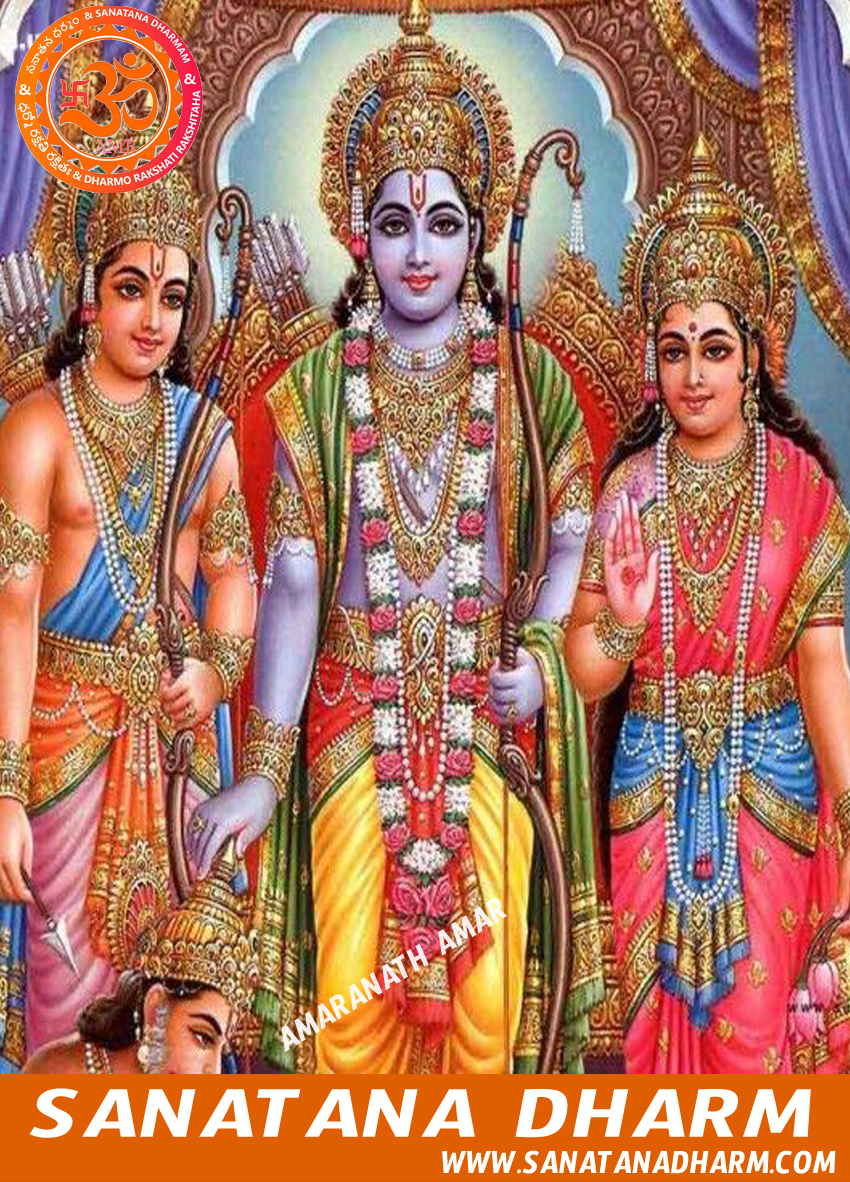
"Wearing excellent arrows and a bow along with my vigilant kinsmen carrying their bows, I on my part remained near Lakshman, who was guarding Rama who vied with Indra the Lord of celestials."
तब मैं भी उत्तम धनुष और बाण धारण करके वहाँ खड़ा हो गया, जहाँ लक्ष्मण थे। हम सब सचेत और धनुष-बाण धारण किए हुए, उस समय महा इन्द्र के समान रक्षा कर रहे थे।